
Lithium Salt Processing
Choosing the Right Centrifuge for Efficient Solid-Liquid Separation
01 Why Separation Equipment Matters in Lithium Salt Production
Lithium-related materials remain an important part of the energy storage supply chain. As battery materials and chemical processing projects develop, manufacturers need reliable process equipment to meet their specific production requirements.
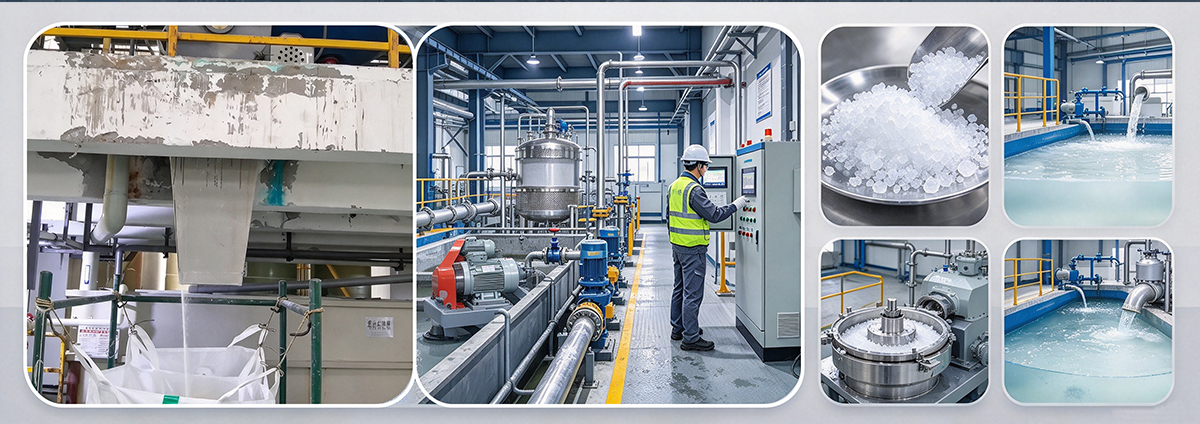
In lithium salt processing, solid-liquid separation can be an important step after crystallization, precipitation or other chemical treatment processes. The goal may be to recover valuable solids, remove mother liquor or prepare material for subsequent drying and processing.
The performance of this step depends on more than centrifuge speed. Crystal characteristics, slurry properties, liquid viscosity and process chemistry all influence equipment selection.
02 Three Factors to Consider Before Selecting a Centrifuge
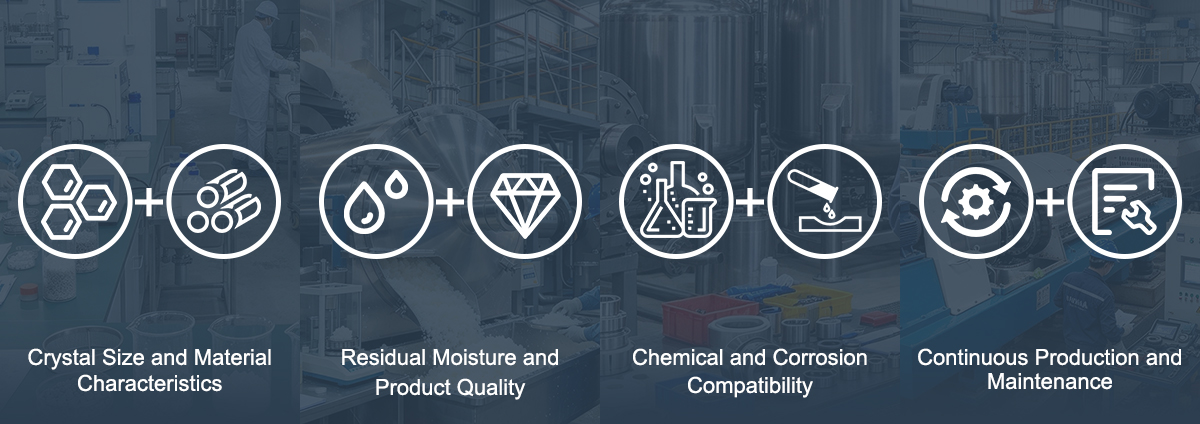
1. Crystal Size and Material Characteristics
Different materials behave differently during separation. Particle-size distribution, crystal strength, bulk properties and the tendency to form fine particles can affect filtration or sedimentation performance.
Understanding the actual material is essential before deciding which centrifuge design to use.
2. Residual Moisture and Product Quality
The required moisture content of separated solids is an important design consideration. It should be evaluated alongside crystal characteristics, throughput requirements and any downstream drying process.
A realistic target should be established through material testing rather than assumed from equipment specifications alone.
3. Chemical and Corrosion Compatibility
Lithium salt processes may involve different chemical compositions, temperatures and operating environments. Wetted materials, seals and other components should therefore be selected according to the actual process conditions.
Corrosion resistance and material compatibility are important considerations for equipment reliability and maintenance planning.
4. Continuous Production and Maintenance
For production facilities operating at scale, equipment availability and maintenance requirements matter alongside separation performance.
Buyers should evaluate expected throughput, wear-part replacement, cleaning requirements, maintenance access and integration with the wider process line.
03 Which Centrifuge Is Suitable for Your Process?
There is no universal centrifuge for every lithium salt application.
Depending on the material and process, a horizontal screen-worm centrifuge, a horizontal decanter centrifuge or another suitable configuration may be considered. The final choice depends on whether the process requires filtration, sedimentation or a different separation approach.
Laboratory evaluation and pilot-scale testing, where appropriate, can help engineers understand material behavior before finalizing equipment specifications.
04 Blovebird Industrial Centrifuges for Chemical Processing
Jiangsu Blovebird Centrifuge Co., Ltd. manufactures industrial separation equipment and lists lithium and other chemical materials among its application areas.
Its product range includes multiple horizontal centrifuge series, vertical centrifuges, extraction centrifuges and laboratory centrifuges. Equipment selection can be discussed according to the material characteristics and production requirements of each project.
05 Request a Technical Discussion
If you are planning a lithium salt processing line, upgrading existing separation equipment or comparing centrifuge technologies, start with the key process data.
Prepare the material name, feed composition, solid content, processing capacity, operating temperature and target moisture content.
Visit https://lnlxj.com/ to explore Blovebird centrifuge solutions and discuss your chemical separation requirements with our team.
Request a Quote →
06 Core Technical Advantages of Blovebird.
📞 Get in Touch: www.lnlxj.com
✅ Complimentary material analysis.
✅ Free on-site sludge testing.
✅ Tailored model selection & solutions.
✅ Quotation delivered within 24 hours.


30 Year Brand
A Number of National Patents

Contact Us
Know More